I'm noticing in recent years, India has been gearing up for a major transformation in its transportation sector, and at the forefront of this revolution are electric vehicles (EVs). The future of EVs in India is not only promising but also essential for a sustainable and
eco-friendly future.
Rising Environmental Concerns:
With urbanization on the rise, air pollution has become a critical issue in India. We all are aware the problems we suffer due to air pollution! EVs offer a glimmer of hope by producing zero tailpipe emissions, reducing the carbon footprint, and improving air quality in congested cities.
Government Initiatives:
The Indian government has been actively promoting EV adoption through incentives, subsidies, and policies aimed at reducing emissions and dependence on fossil fuels. Schemes like Faster Adoption and Manufacturing of Hybrid and Electric Vehicles (FAME) are encouraging both manufacturers and consumers to make the switch.
Cost Savings:
While the initial purchase cost of EVs may be higher than traditional vehicles, they offer long-term savings. Lower operating costs, reduced fuel expenses, and minimal maintenance requirements make EVs a cost-effective choice.
Infrastructure Development:
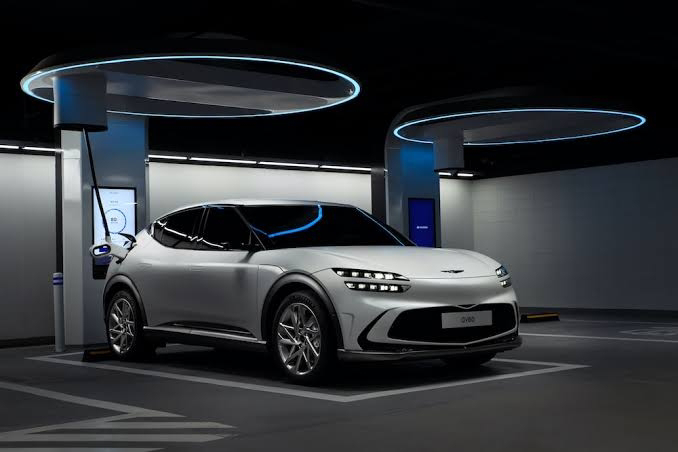
Charging infrastructure is expanding rapidly across the country. Fast-charging stations are popping up in urban areas, addressing range anxiety and making long journeys more feasible.
Diverse Vehicle Options:
Indian automakers are introducing a variety of electric vehicles, from compact city cars to electric SUVs, catering to diverse consumer preferences.
Job Creation:
The EV industry is poised to create numerous job opportunities in manufacturing, battery technology, charging infrastructure, and maintenance.
Challenges Ahead:
Challenges such as battery range, charging infrastructure in remote areas, and battery recycling need to be addressed for the EV market to reach its full potential.
In conclusion, the future of electric vehicles in India is bright. They offer a sustainable solution to India's growing environmental concerns, aligning with global efforts to combat climate change. With government support, expanding infrastructure, and a growing range of EV options, India is on the path to an electrifying future of transportation that benefits both the environment and the economy.




Comments
Post a Comment